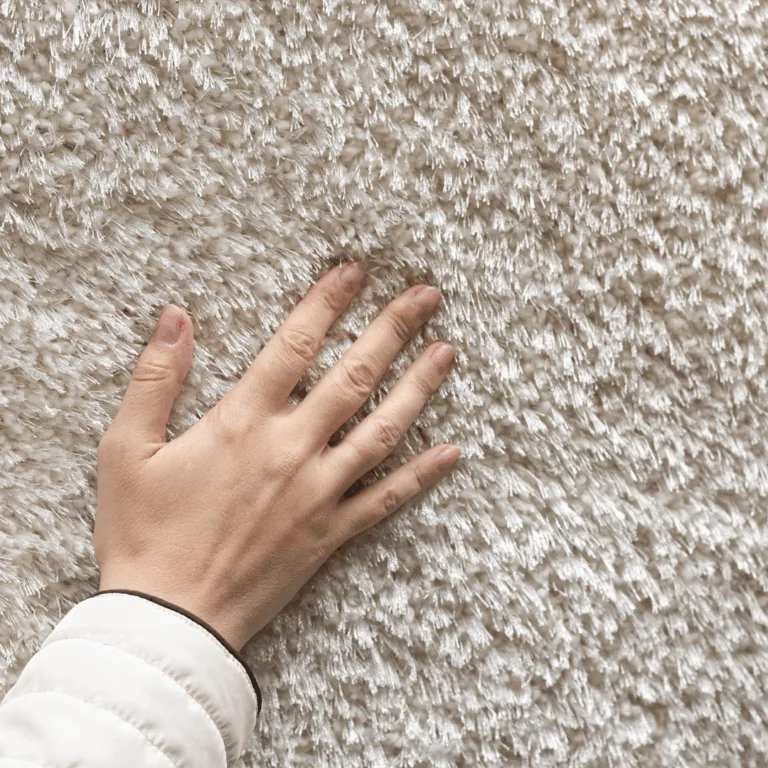
Choosing carpet flooring in 2025 is no longer just about softness underfoot - it’s about texture, tone, performance, and eco-conscious living. As interior design shifts toward comfort-driven, multi-functional spaces, carpet is making a stylish comeback with innovations that blend beauty and practicality.
In this guide, we’ll explore the top carpet flooring trends for 2025 - from fiber types and trending colors to room-by-room style tips - so you can choose a carpet that fits your lifestyle, enhances your design, and feels just right in every step.
Key Summary
- Plush textures, earthy tones, and bold patterns are leading the top carpet flooring trends for 2025.
- Carpet materials range from $1 to $12 per sq ft depending on fiber type, with installation adding $1–$2.50 per sq ft.
- Nylon and triexta offer the best balance of durability and stain resistance for active households.
- Bedrooms and living rooms benefit from soft, high-pile carpets, while stairs and offices call for low-pile or looped styles.
- Eco-conscious buyers are choosing carpets made from recycled materials or natural wool for comfort and sustainability.
The 6 Carpet Flooring Trends for 2025
1. Plush, Velvety Textures
Soft, luxurious carpets are in demand, offering a cozy feel underfoot. High-pile options like Saxony and velvet are popular for bedrooms and living areas, providing both comfort and elegance.
2. Nature-Inspired Color Palettes
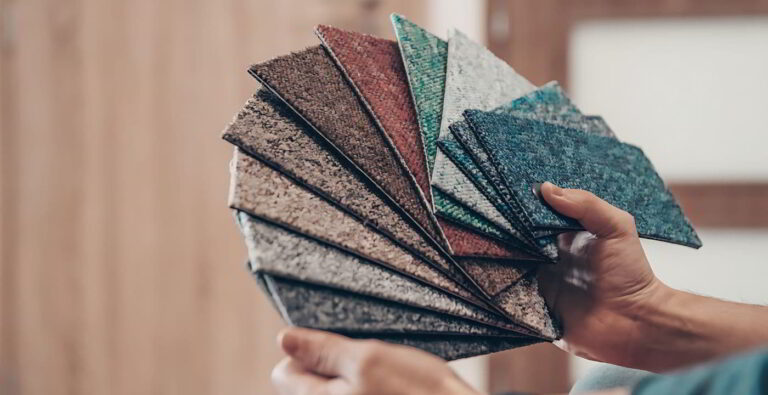
Earthy tones such as sage green, terracotta, and sand are trending, reflecting a desire to bring the outdoors inside. These colors create a calming atmosphere and pair well with natural materials.
3. Patterned Carpets and Statement Prints
Bold patterns, including geometric designs and abstract motifs, are making a statement in 2025. These eye-catching carpets add personality to spaces and can serve as focal points in a room.
4. High-Performance Pet- and Kid-Friendly Fibers
Durable carpets designed to withstand the rigors of daily life are essential for households with children and pets. Stain-resistant and easy-to-clean fibers ensure longevity and maintain appearance over time.
5. Eco-Conscious and Recycled Materials
Sustainability is a key focus, with carpets made from recycled materials gaining popularity. These eco-friendly options reduce environmental impact without compromising on style or comfort.
6. Seamless Indoor Carpet Transitions
Creating a cohesive look throughout the home is achieved with carpets that transition smoothly between rooms. Consistent textures and colors help unify spaces and enhance the overall design flow.
Carpet Fiber Types Explained (Pros & Cons)
Choosing the right carpet fiber is just as important as selecting the style or color. Each type comes with its own strengths - whether you’re looking for luxury, durability, stain resistance, or eco-friendliness. Here’s what you need to know about the most common fibers in 2025:
Nylon
One of the most popular synthetic fibers, nylon is known for its durability and resilience. It bounces back well from foot traffic and is ideal for high-traffic areas like hallways and living rooms. It also handles stains well when treated.
Polyester
Soft and budget-friendly, polyester is a go-to for bedrooms or guest rooms. It offers vibrant color options and is naturally stain-resistant, but it may flatten faster than nylon in busy areas.
Wool
Wool is the gold standard of natural carpet fibers - luxuriously soft, incredibly durable, and naturally resistant to stains and flames. It’s perfect for formal living spaces but comes with a higher price tag and requires more maintenance.
Triexta
A newer fiber that blends the best of both worlds - softness and resilience - triexta is ideal for families with kids or pets. It resists stains without chemical treatments and performs well under heavy use.
Olefin (Polypropylene)
Olefin is moisture- and mildew-resistant, making it a good fit for basements or low-humidity environments. However, it’s less resilient than other fibers and best used in low-traffic areas.
Quick Comparison: Carpet Fibers at a Glance
Best Carpet Styles by Room
The best carpet for your home isn’t one-size-fits-all - it depends on the room’s function, traffic level, and design goals. Here’s how to match the right carpet style to each space in your home for maximum comfort, durability, and visual appeal.
Bedrooms (Luxury and Comfort)
In the bedroom, plush comfort is the priority. Opt for high-pile or velvety Saxony carpets that feel soft underfoot and add a touch of indulgence to your morning routine. Neutral tones or calming nature-inspired colors work well here, creating a cozy, restful environment.
Living Rooms (Style + Durability)
Living rooms are high-traffic zones, so look for carpets that strike a balance between style and resilience. Nylon or triexta fibers in textured or patterned styles help hide footprints and wear while offering visual interest. Consider looped or cut-loop styles for added dimension.
Home Offices (Sound Absorption)
Carpet is a secret weapon in home offices thanks to its excellent sound-dampening properties. Low-pile options reduce echo and create a focused environment, especially in open layouts. Subtle patterns or darker tones can add a professional look while resisting wear from rolling chairs.
Stairs and Hallways (Low-Pile Options)
These transitional spaces demand durability and grip. Low-pile, looped carpets like Berber offer excellent traction and resist crushing from frequent foot traffic. Choose a dense weave in a forgiving color to conceal dirt and maintain a clean look over time. Look at all of our carpet stairs options.
Rental Properties (Budget-Conscious Picks)
For landlords and property managers, affordability and easy maintenance are key. Polyester or olefin carpets in neutral shades are a cost-effective option that still looks fresh. Opt for stain-resistant finishes and modular carpet tiles for easy replacement when needed.
Carpet Flooring Costs in 2025
Understanding the full cost of carpet flooring means looking beyond just the roll price. Factors like fiber type, pile height, padding, and installation method all affect the bottom line. Here’s what you can expect to budget for in 2025.
Average Material Prices by Fiber and Style
Carpet pricing varies widely based on the fiber used, the pile type, and any added performance features. Here’s a snapshot of typical costs per square foot:
Installation Costs per Square Foot
Professional carpet installation usually ranges from $1.00 to $2.50 per square foot depending on complexity, seaming requirements, and room layout. Stairs and oddly shaped rooms tend to cost more due to extra labor and cuts.
Padding and Removal Costs
- Padding: $0.50 – $1.00 per sq ft, depending on density and material
- Old Carpet Removal: $0.50 – $1.00 per sq ft
- Furniture Moving (optional): May add $1.00 – $2.00 per sq ft depending on service
Installing quality padding beneath your carpet can extend its life and improve comfort - it’s not an area to skimp on.
Long-Term Value and Warranty Coverage
While synthetic options like polyester are affordable upfront, they may wear faster than nylon or wool. Wool and high-performance synthetics typically come with 10–25 year wear warranties, while budget options may be covered for just 5–10 years. Always check warranty terms for stain resistance, texture retention, and installation requirements.
DIY Carpet Installation vs. Hiring a Pro
Installing carpet yourself can be a rewarding cost-saver - if you’re prepared with the right tools and know-how. But for many homeowners, professional installation ensures better results, fewer mistakes, and warranty protection. Here’s what to consider before rolling up your sleeves.
👉 Need help getting started? Check out our full DIY Carpet Installation Guide for tools, prep tips, and step-by-step instructions.
Tack Strip vs. Glue-Down Installations
Most residential carpets are installed using tack strips around the perimeter of the room. This method allows for carpet stretching, creating a clean, snug fit. It’s the preferred choice for plush, residential applications.
Glue-down installation, more common in commercial or rental properties, bonds the carpet directly to the floor. It’s ideal for low-pile, durable carpets in high-traffic areas, but more labor-intensive and less forgiving for DIYers.
Tools, Skill Level, and Prep Required
DIY carpet installation isn’t as simple as laying a rug. You’ll need tools like a knee kicker, carpet stretcher, utility knife, and seam roller. Proper subfloor prep - cleaning, leveling, and installing padding - is essential to prevent buckling and uneven wear.
Skill-wise, cutting seams accurately and stretching carpet without ripples takes practice. It’s manageable for a handy homeowner in a small, square room - but complex layouts, stairs, or tight corners often call for a pro.
Common DIY Mistakes and Fixes
Some of the most common DIY carpet errors include:
- Not stretching the carpet properly , which leads to wrinkles or premature wear
- Cutting too short around walls or doorways , causing gaps
- Skipping underlayment or using the wrong padding , which reduces comfort and lifespan
- Poor seam alignment , making transitions obvious and unsightly
If you’re unsure, hiring a certified carpet installer can save time, frustration, and ensure your warranty stays intact.
Top Considerations Before Choosing Carpet Flooring
Carpet flooring offers a unique blend of softness, warmth, and design flexibility - but choosing the right one means weighing a few key factors beyond just color or texture. Here’s what to keep in mind before you roll anything out.
Comfort and Insulation Benefits
One of carpet’s biggest advantages is comfort. It adds a cushioned feel underfoot and helps retain heat, making it perfect for bedrooms, living rooms, and basements. It also offers acoustic benefits by dampening sound - a major plus in multi-level homes or apartments.
Stain Resistance and Family-Friendliness
For homes with kids, pets, or heavy foot traffic, stain-resistant carpets are a must. Look for fibers like nylon or triexta with built-in stain blockers, which make cleanup easier and protect against spills, mud, and everyday messes.
Allergens and Indoor Air Quality
While older carpet styles were known to trap dust and allergens, today’s carpets often come with hypoallergenic materials and antimicrobial treatments. Pair with a high-quality vacuum and regular cleaning to maintain a healthier indoor environment.
Durability and Foot Traffic Suitability
Not all carpets are created equal when it comes to wear and tear. Dense, low-pile carpets like Berber hold up better in busy spaces, while plush styles suit lower-traffic rooms. Always match your carpet’s performance level to how you use the space.
Design Cohesion with Furniture and Wall Colors
Carpet plays a big visual role in any room. Consider how the color and texture will complement your existing furniture, cabinetry, and paint tones. Neutral shades are versatile and timeless, while bolder hues or patterns can anchor a statement room.